Limping in Poker - Subtle Tactic or Beginner Mistake?
Is limping your worst mistake or your best move? The answer in this introductory article on limping in poker.

Limping can guarantee more discretion for a very strong hand...
In poker, a player makes a call when they match a raise already made by another player. Limping, on the other hand, means entering the pot pre-flop for the amount of the big blind without any player before you having raised.
Definition: Limping in Poker
In poker, limping means entering the pot pre-flop by only paying the big blind, without raising.
Is limping a fish mistake?
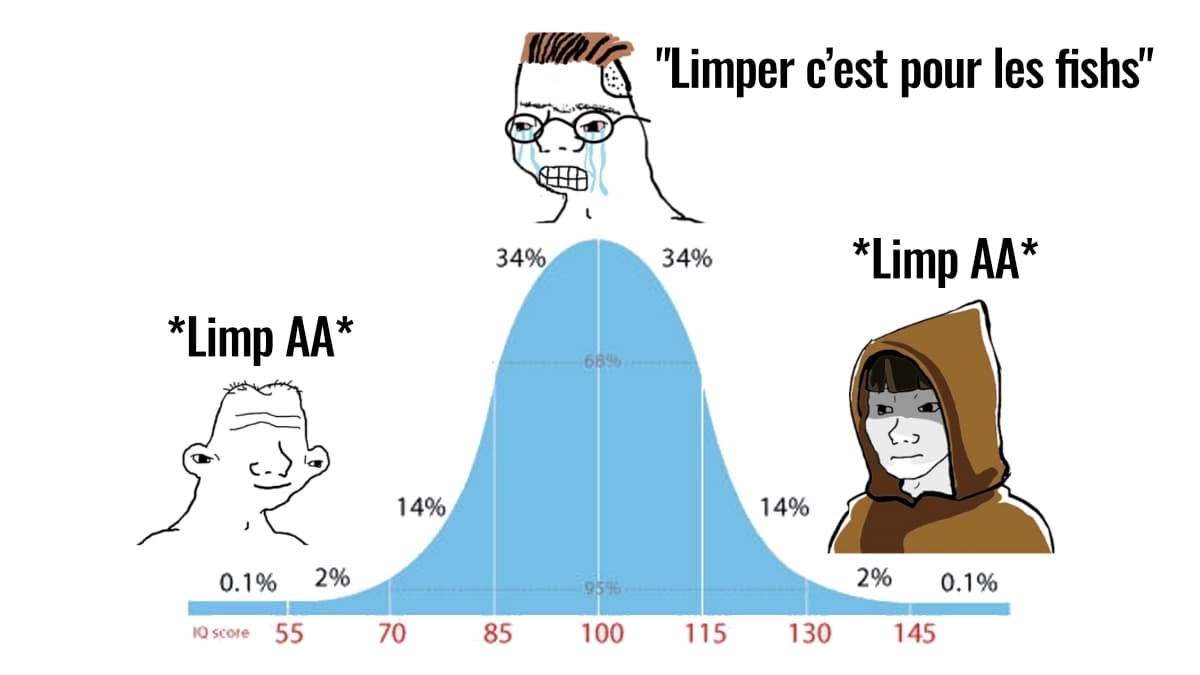
In traditional poker, limping was often considered a typical novice mistake, or a "fish" move in poker terms.
However, as the game evolves, strategies evolve too. While still debated, limping can reveal strategic subtleties that often escape less experienced players.
Limping Strategy: When to Use It?
Good limping strategies in poker
Here are four situations where limping can be relevant.
1. In late position if several players have already limped
Especially in Knock-Out (KO) tournaments, limping can allow you to see a flop for a minimal cost, taking advantage of passive dynamics. These are hands you would have folded if players before you had raised.
The idea can also be to trap a player behind you who might 3-bet squeeze or shove thinking they're facing capped ranges.
However, only implement this strategy if you've spotted this behavior in a player acting after you.
2. Completing your Small Blind
If no one has raised before you, completing the small blind can be an effective way to see the flop without committing to a costly pot. If the Big Blind isolates, you'll then have two options: fold your worst hands and call the others, especially suited hands.
3. On the BTN with a short stack (less than 12 bb)
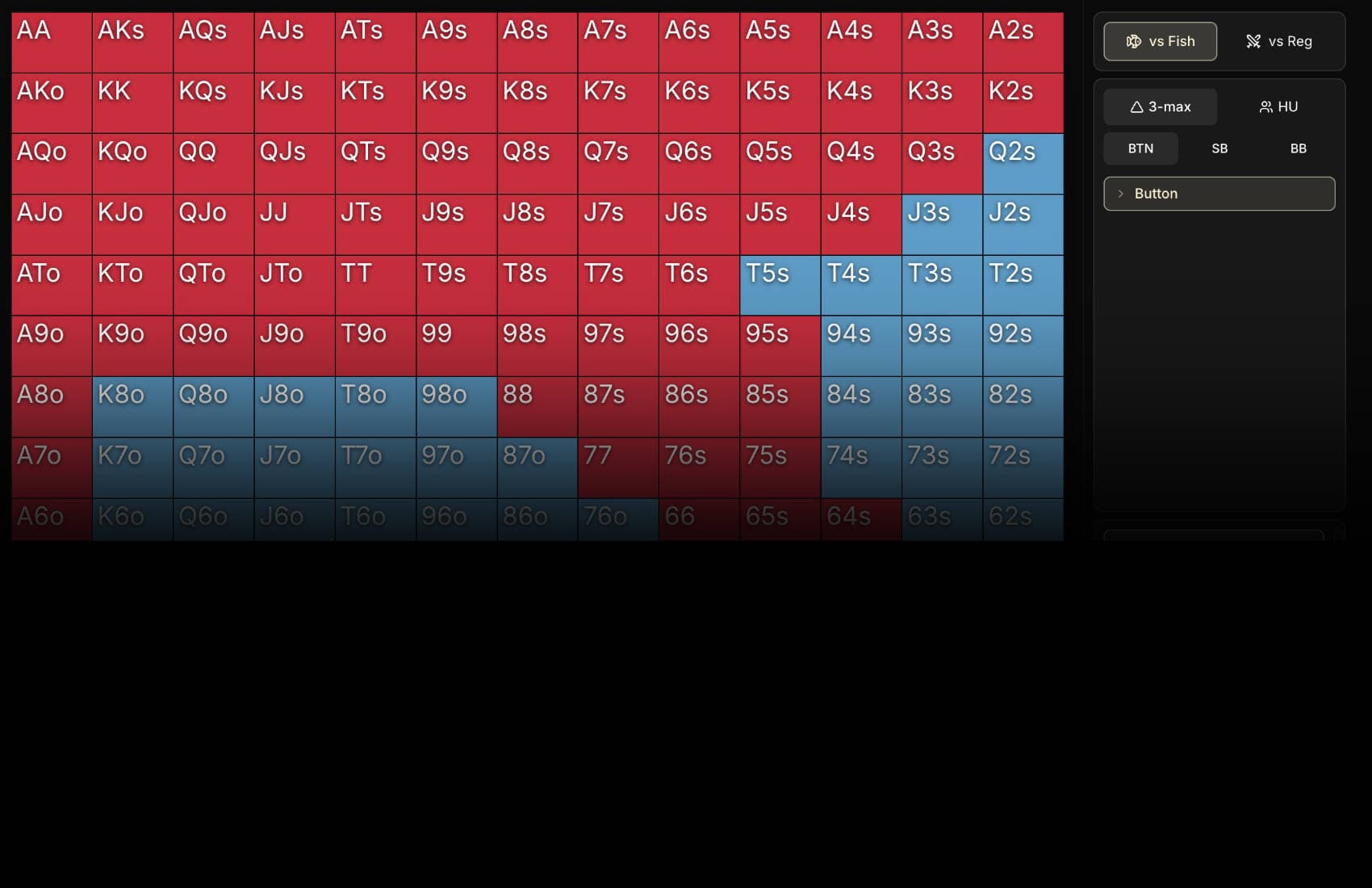
Limping here can be strategic to control pot size (with T7s for example) or trap your opponents (like with AA), but be careful not to overdo it.
4. In the SB in Heads-Up with a short stack (less than 12 bb)
In fast formats like Spin & Go, or late in a tournament in Heads-Up, using the limp to trap your opponents with strong hands can be very profitable.

Bad limping strategies
The rest of the time, limping is generally considered bad practice. Here are three reasons why it will cost you money in the long run:
- Weakness signal: using it too often will indicate to opponents that you're playing weak or mediocre hands. Against competent players, this opens the door to aggressive raises, putting you in difficult spots.
- Loss of initiative: limping prevents you from taking the initiative, limiting your ability to control how hands play out and the size of pots.
- Multi-way play: limping can make it harder to build big pots with strong hands and encourages play with multiple players in the hand, reducing your probability of winning the pot.
In summary, limping should only be used in very specific situations. Outside of these cases, always prefer to raise or fold.

Our latest videos
Practical Examples
A beneficial limping scenario
Imagine you're on the button with 8♥ 9♥. Three players before you have limped. You decide to limp as well.
The flop comes 7♠ 6♠ 10♥, giving you a straight. Here, limping allowed you to enter a pot cheaply and make a strong hand discreetly.
In this case, limping allowed you to see a flop cheaply with a speculative hand and hit a straight discreetly.
A problematic limping scenario
You're UTG in a 6-max game, and you decide to limp with Q♠ Q♦, hoping to trap the opponents behind you. Three players follow your lead and limp as well. You end up in a multi-way pot with four players.
The flop comes: 8♠ 5♠ 9♥, which seems favorable for your pair of queens. However, the presence of multiple opponents increases the complexity of the hand. It becomes very difficult to evaluate whether your pair of queens is still ahead, especially since there are still two cards to come that could play spoilers...
By limping with a premium hand like QQ, you lost control of the pot and ended up in a dangerous multi-way situation where your advantage is considerably reduced.