
Our approach
Our mission: to improve your edge in Spin through optimal preflop and postflop play.
Poker Sciences is designed for players who want a scientific and structured framework to understand what to work on first, withstand variance, and win more at the tables.
🔑Two key concepts to understand
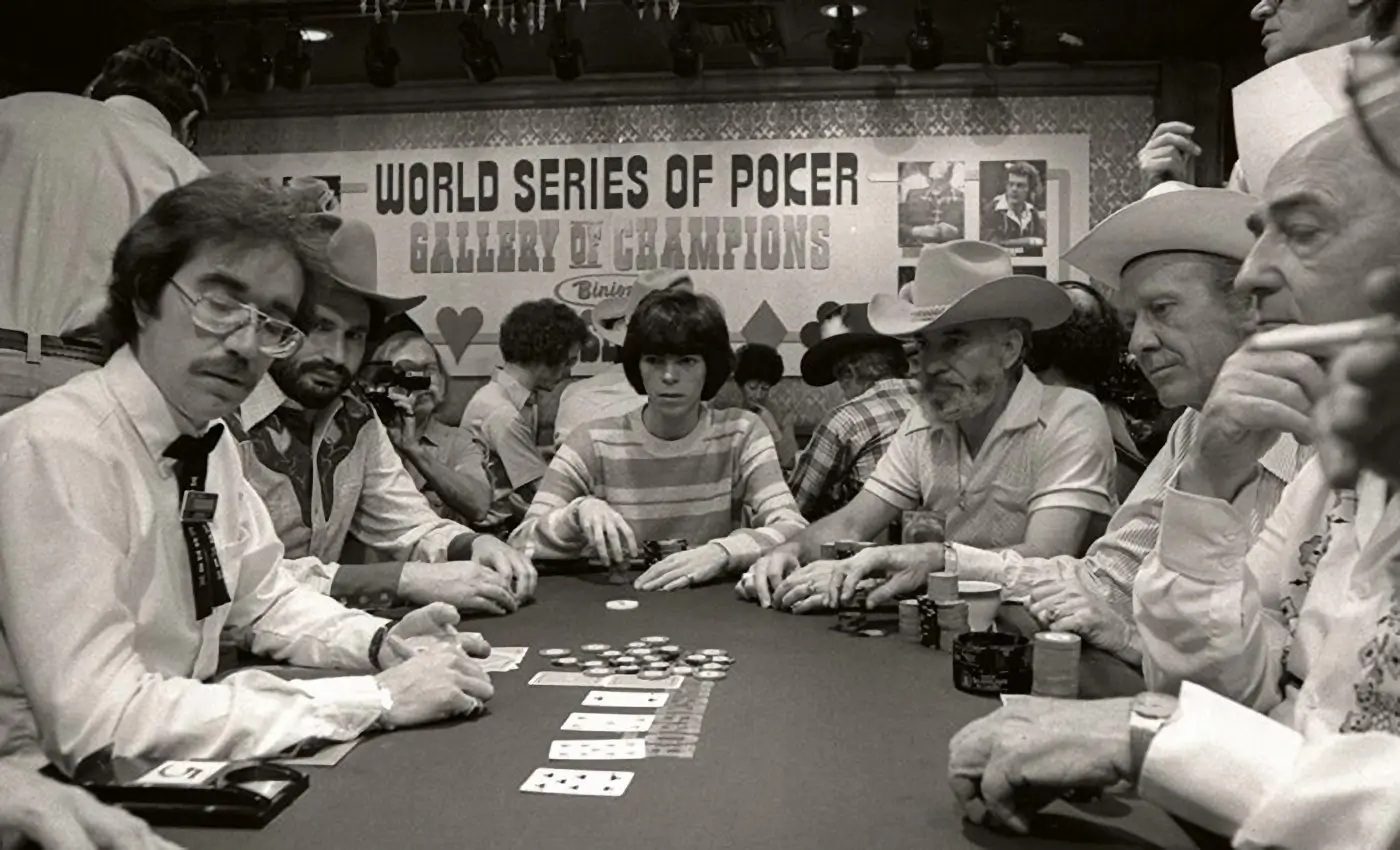
Modern poker is the result of an evolution that began in the 1970s and 1980s. At that time, the game relied mostly on instinct and experience.
Over time, and especially with the arrival of solvers like PioSolver, and GTO Wizard, poker has become far more analytical and structured.
Today, two notions are the foundation of poker strategy:
- GTO (Game Theory Optimal)
- Exploitative Play
Complementary to each other, they summarize how we think and play modern poker.
If the difference between these two concepts isn't clear to you, we strongly recommend reading the last chapter of our free Spin & Go course, where we explain these two strategies in detail.
Understanding the difference between these two concepts is FUNDAMENTAL.
🧭GTO: The Foundation
Years of grinding have convinced me of one thing:
You need to know the main lines of theoretical (GTO) play in order to deviate from it intelligently.
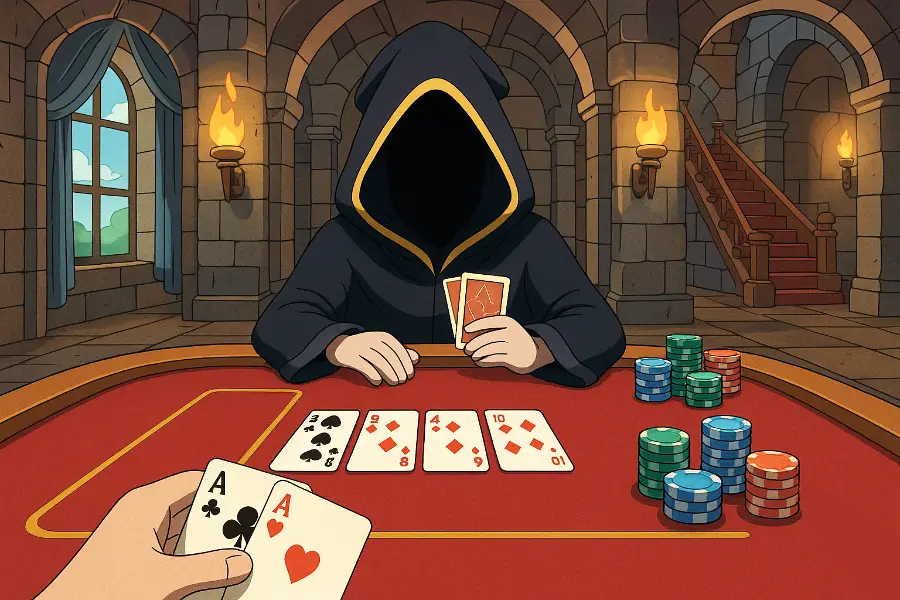
GTO isn't meant to be memorized like a robot — it's meant to be understood and used as a compass.
It helps us grasp the deeper logic of the game:
- Range equilibria
- Positional power dynamics
- Coherent bet sizings
- etc.
Without this foundation, we often "exploit blindly" — and end up creating new mistakes without realizing it.
Many coaches still neglect this theoretical GTO approach. Yet it's not only essential to avoid developing costly habits. It's also part of the joy of learning poker!
It's far more satisfying to beat our opponents by understanding what we're doing than by applying memorized strategies without reflection.
😈Exploitative Play: GTO Adapted to Reality
Once you've understood the fundamentals of GTO, you can start learning how to exploit your opponents' mistakes — that's what exploitative play is all about.
Just like with GTO, our exploitative content is not meant to be memorized blindly.
The goal is to understand how to adapt to each opponent in order to take advantage of their weaknesses.
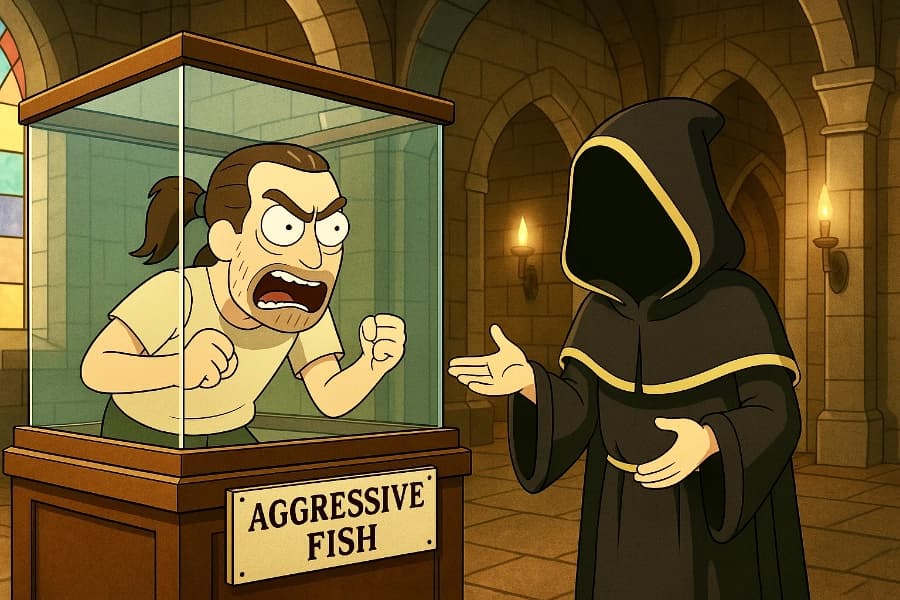
Why should you raise more often against the general field?
Why should you limp more against a passive player?
Why should you shove less versus a tight opponent?
Each deviation has a reason, and our goal is to help you understand that reason.
📈A Progressive and Demanding Learning Process
Step by step, you'll absorb these concepts and learn to combine both approaches: knowing when to play GTO, and when (and how) to deviate and play exploitatively.
Let's be honest: none of this is easy. Not at all.
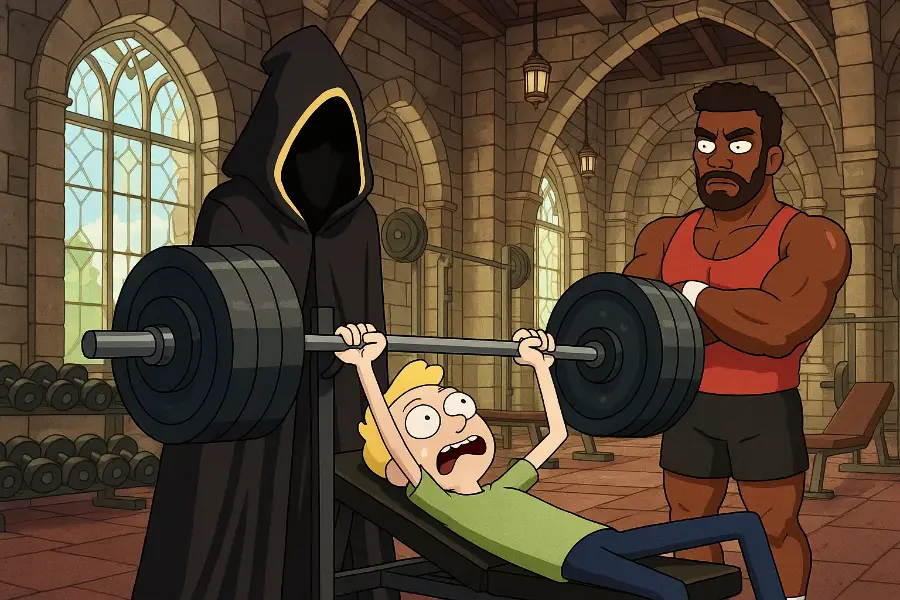
But one day, what once seemed complex will feel natural, because you'll have understood it deeply, not just memorized it mechanically.
That's exactly our goal: to guide you step by step, from theory to practice, from "I imitate" to "I understand."
🤫One Last Crucial Point
There's an aspect of poker that very few people talk about — yet it's essential.
Without it, every poker player is doomed to fail in the long run.
Even the most talented ones.
This concept can be summed up in a single word: ENJOYMENT.
Poker is a tough game. You've probably already experienced some of its challenges:
- variance
- tilt
- loss of motivation
- even addiction...

There's no magic formula for enjoying the process of learning and playing poker.
Some advice is just common sense: take breaks, accept variance, manage your bankroll, etc.
But NONE of it is a miracle cure.
You'll face moments of doubt and self-questioning. Your only goal should be to get through them in a healthy way — because they're part of every good poker player's journey.
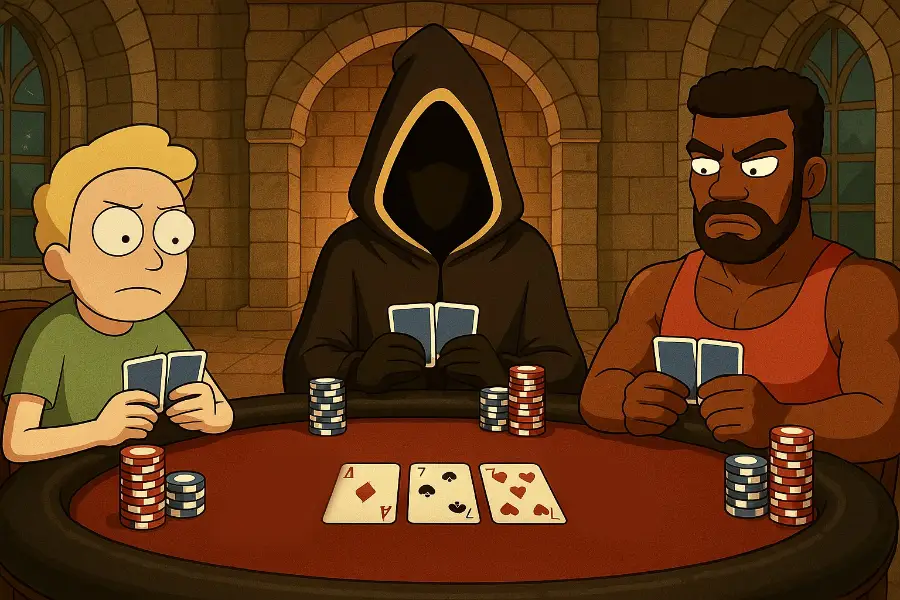
Come back to the Strategy Guides, practice with the Trainer, review your Charts, and more.
We've spent the last three years building this platform so it can be a place where you progress with pleasure and confidence in the content you study.
We're doing our part — now, the ball is in your court!